See it
Human Centered Design is a core part of my design process and a powerful asset to bring insights, during the research phase one has the opportunity to bring evidence and signals of the vision that it’s being built, while bringing the human presence, the nuance that number don’t capture.
Design research is a true magic moment for me, I’ve driven and participated in user research efforts within the spectrum of observation, immersion, discovery, inspiration, testing and co-creation. Here you’ll find two very different projects with a common thread : discovery and inspiration.
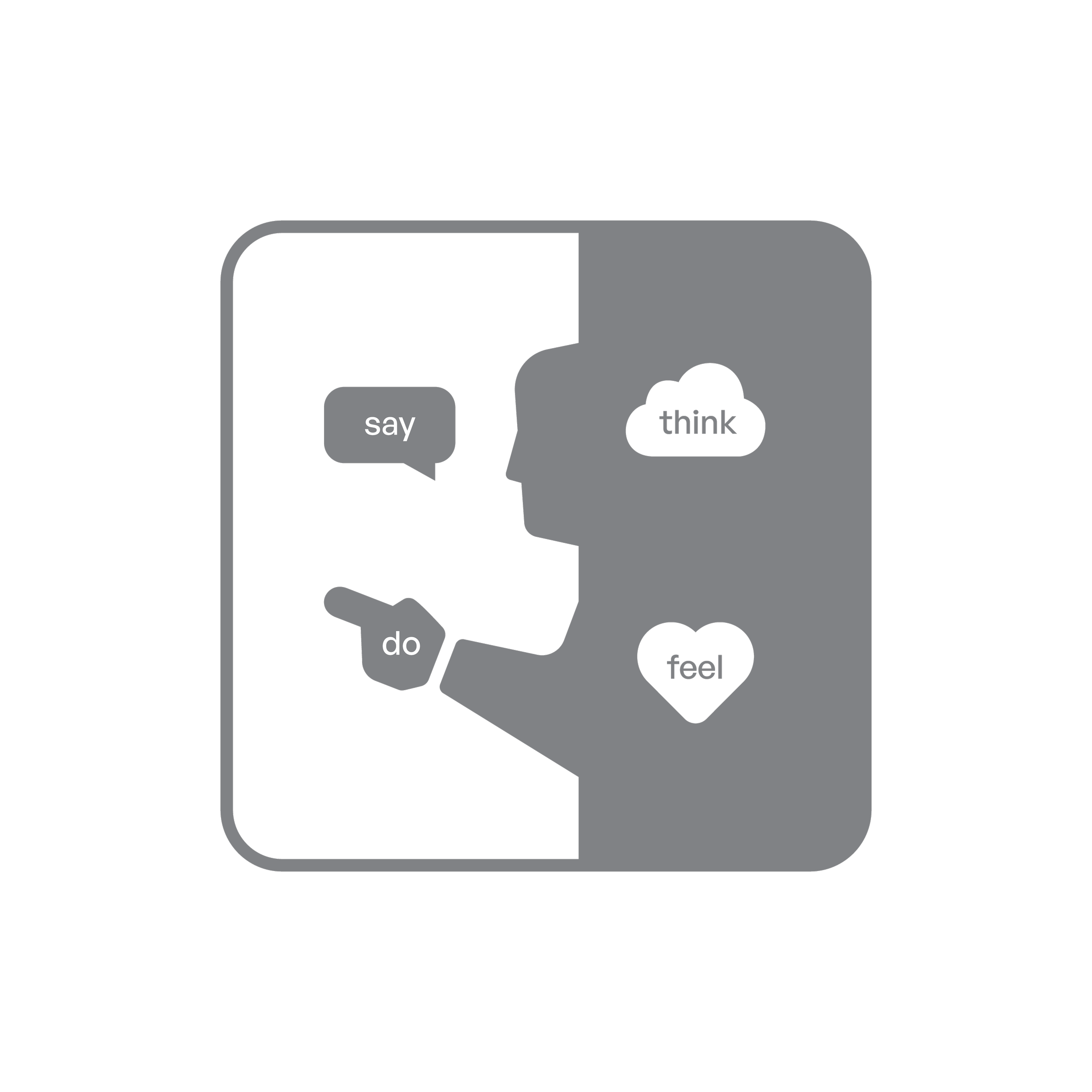
user empathy map
Unlocking community engagement in protecting pregnant women from the ZIKA virus in Puerto Rico
Project sponsored by IDEO and the USA Center of Decease Control during the outbreak of the ZIKA virus in may 2016
Jacqueline Cooksey
Design researcher Project lead
Amy Wang
Communication designer
Carlos Arturo Torres
Industrial Designer
Getting the facts right on the field from a fast-evolving understanding of a new disease.
Scientists on the field and from Atlanta’s CDC headquarters were feeding the team in realtime, giving a solid base and a strong warning: the biggest impact falls on women’s pregnancy
After infected people were able to be immune, the main impact was visible in pregnant women’s fetuses with a hydrocephalic birth defect leading to death in all known cases.
First mosquito borne decease transmitted through sex as a second vector
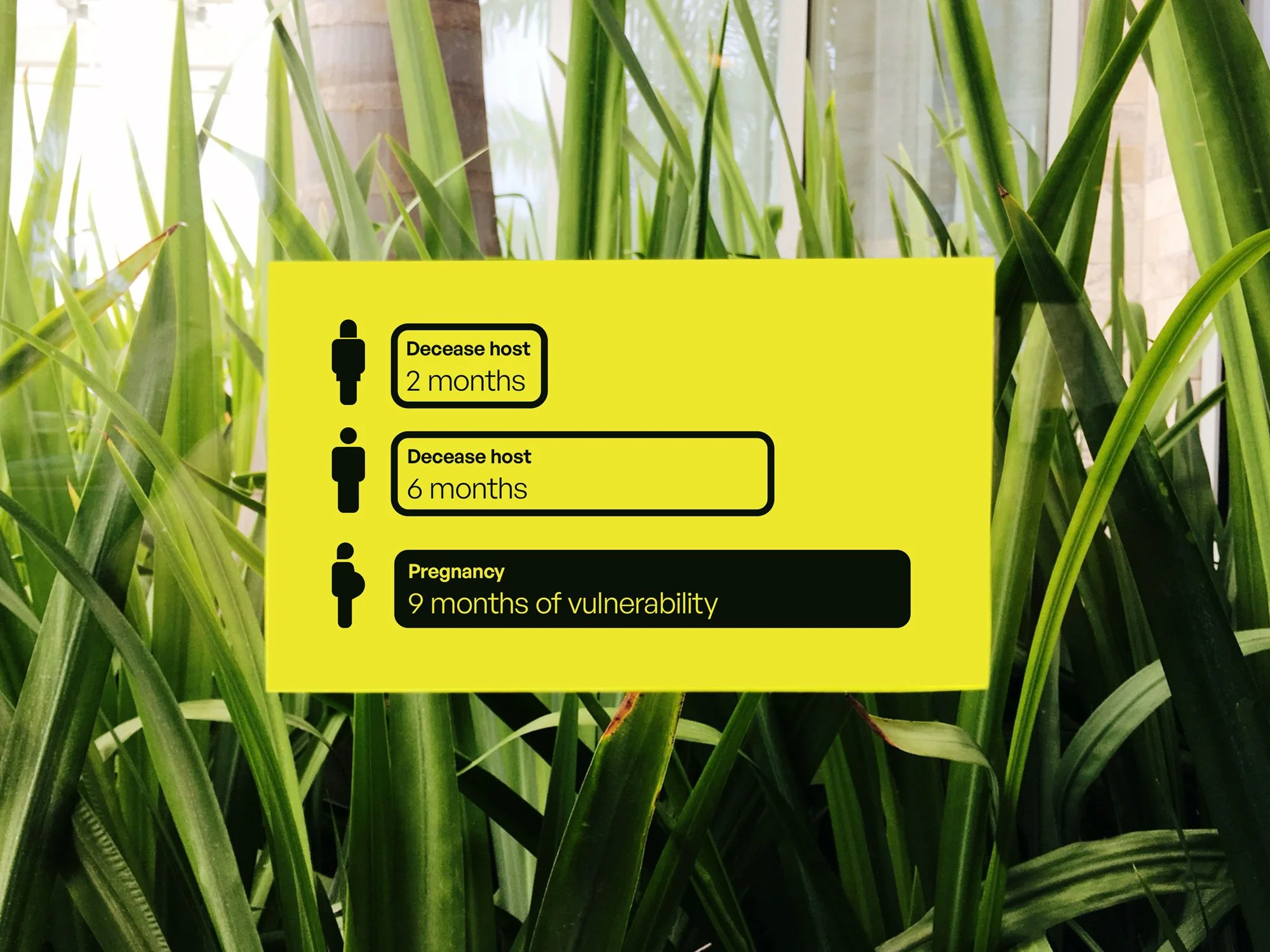
Men were hosts up to 6 months without showing symptoms and women up to 2 months
This is was an evolving situation since scientist were feeding the team with their realtime discoveries
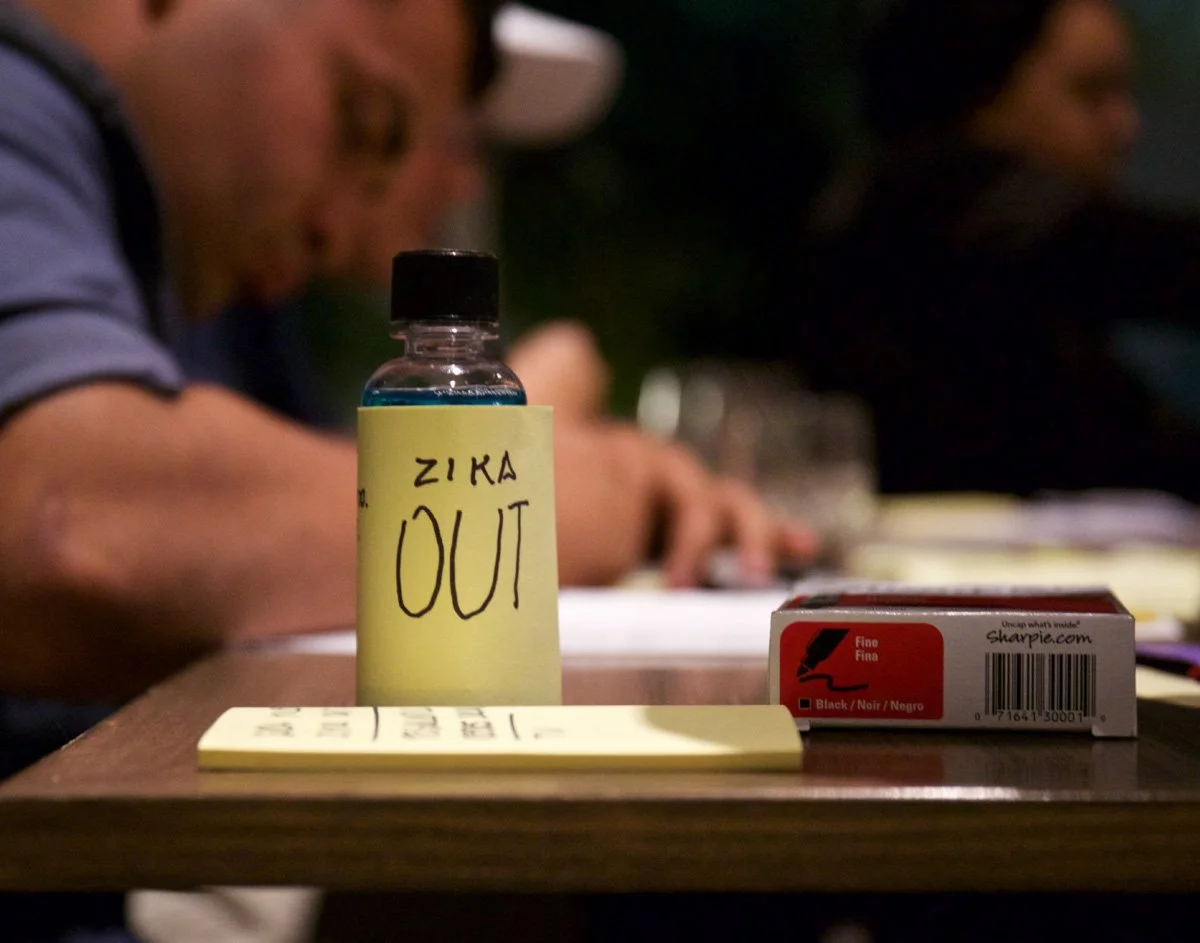
Hearing from pregnant women, inviting men into the discussion, focusing on behaviors not demographics, and considering extreme populations in isolated regions, quickly gave the team the first insights.
Finding the extremes during research was an accelerated way to gain visibility on the worst-case scenarios, but also a way to widen the landscape on where to look at. Simple exercises such as card sorting gave us evidence on how they were perceiving the danger of the virus. Or not.
The cultural aspect of the country was a real eye-opener. The machismo for the better or the worst, the skyrocketing pregnancy in teenagers, the previous mosquito-borne epidemics, and the big mistrust of the government, showed the gaps where an action could be taken.
The biggest challenge for the community we witnessed: Trust
Navigating the evolving situation, the information, help, and support throughout a historical mistrust on the government and skepticism after similar diseases. Four gaps were identified
Target
Considering not only pregnant women
Knowledge
People don’t have their
facts right
Trust
People can’t find evidence in their community
Action
Information is passive, it doesn’t guide people
A strong aligned communication could lead the way. Prototyping messages, bots and even flash news, was key to bring evidence back from our initial findings.
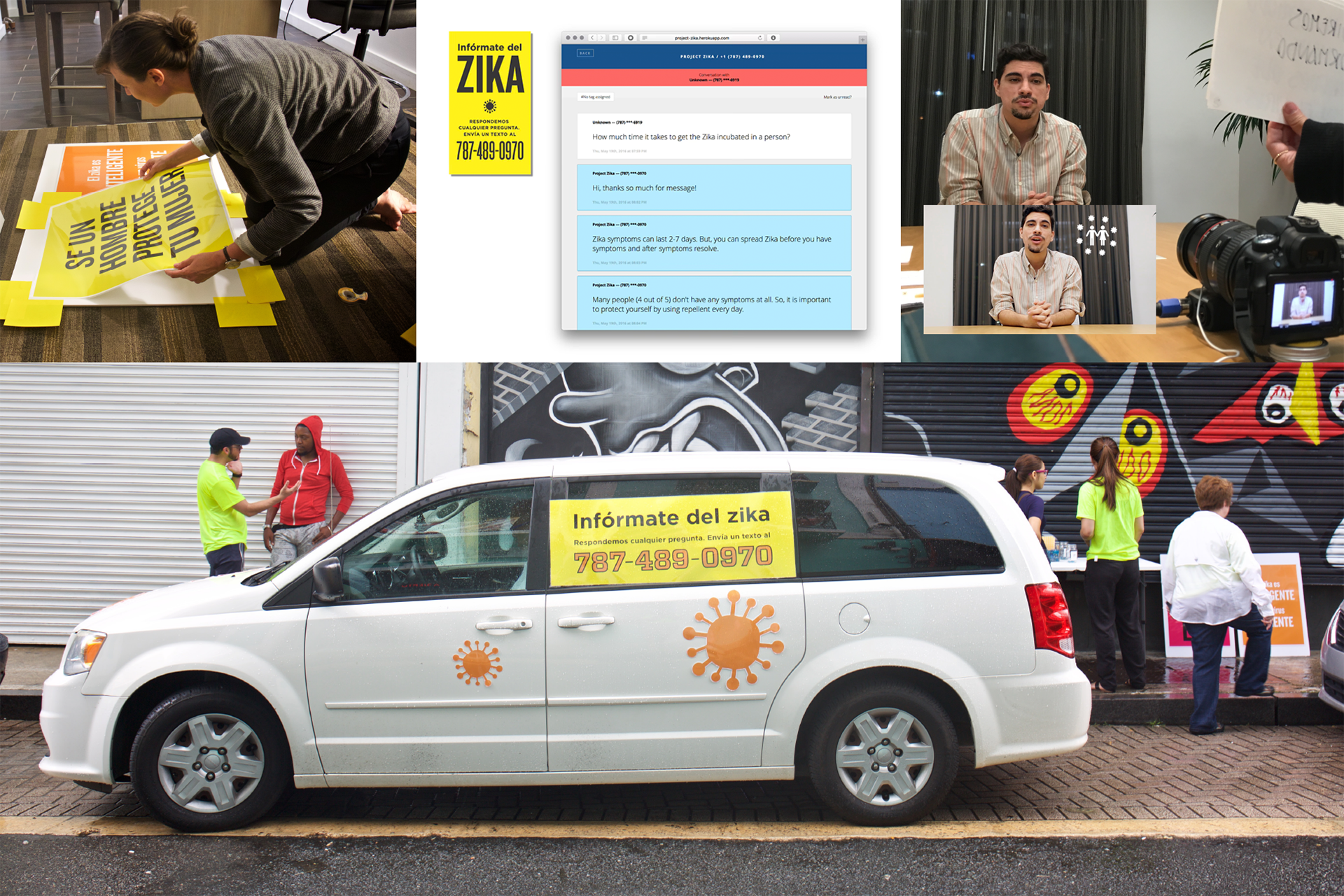
What if men were protecting their women ? To involve the male skeptics and second-largest transmitters to own their sexuality - Messaging : Be a man, protect your woman
What if there was a single source to inform the population? To gain trust and empathy within a fast-changing facts epidemic - Messaging : Zika News, a single source of info with different touch points - Flash news on TV and radio - an automatized FAQ bot - a mobile patrol to inform
What if the virus was treated as an economic emergency? To push every sector to take action with a touristic economy in danger.
The project concluded with a formal presentation to the full CDC team in Atlanta to share our findings, recommendations and process.

A collaborative playground for the FORD core teams to embrace UX and Human Centered Design
Project sponsored by IDEO and the USA Center of Decease Control during the outbreak of the ZIKA virus in may 2016
Jacqueline Cooksey
Design researcher Project lead
Amy Wang
Communication designer
Carlos Arturo Torres
Industrial Designer
Building bridges between the advanced design studio, strategy executives, and UX as a growing discipline within FORD
The challenge was not the quality of design, the ideas or the execution itself, but welcoming the UX discipline to bring the user’s voice in a huge organization in the middle of a pivoting strategy, restructuring programs in Europe and the challenges of braking through the Asian market.
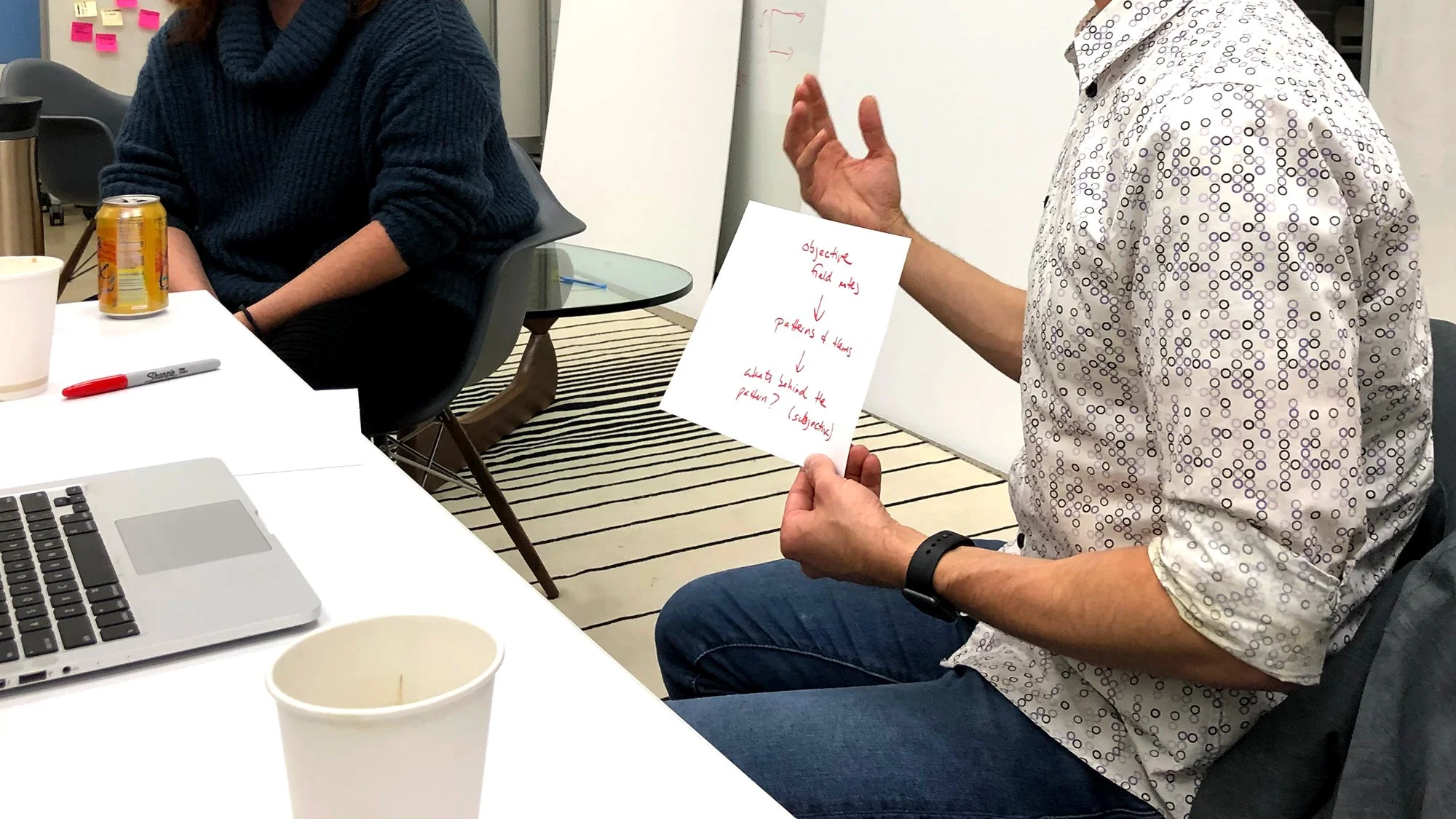
How to predict the customization trends in the car industry? Look closer to tattoos artists, drag show community or a witch predicting the future in New York : How people shift from building slowly to immediate gratification, or how community supports each other to transform and repurpose materials to keep the show running, closing with a masterclass in storytelling and capturing audiences with tarot cards, and seige
FORD + IDEO spent years building the UX discipline and the internal capacity but integrating it into their pipeline was an organizational challenge.